
Pimpri Chinchwad: As Pimpri-Chinchwad continues to witness rapid infrastructure development—from flyovers and roads to metro extensions and water pipelines—the city is also seeing an alarming decline in its green cover. Environmentalists and citizens alike are raising concerns as thousands of trees have been felled for various civic projects, with minimal efforts toward successful replantation.
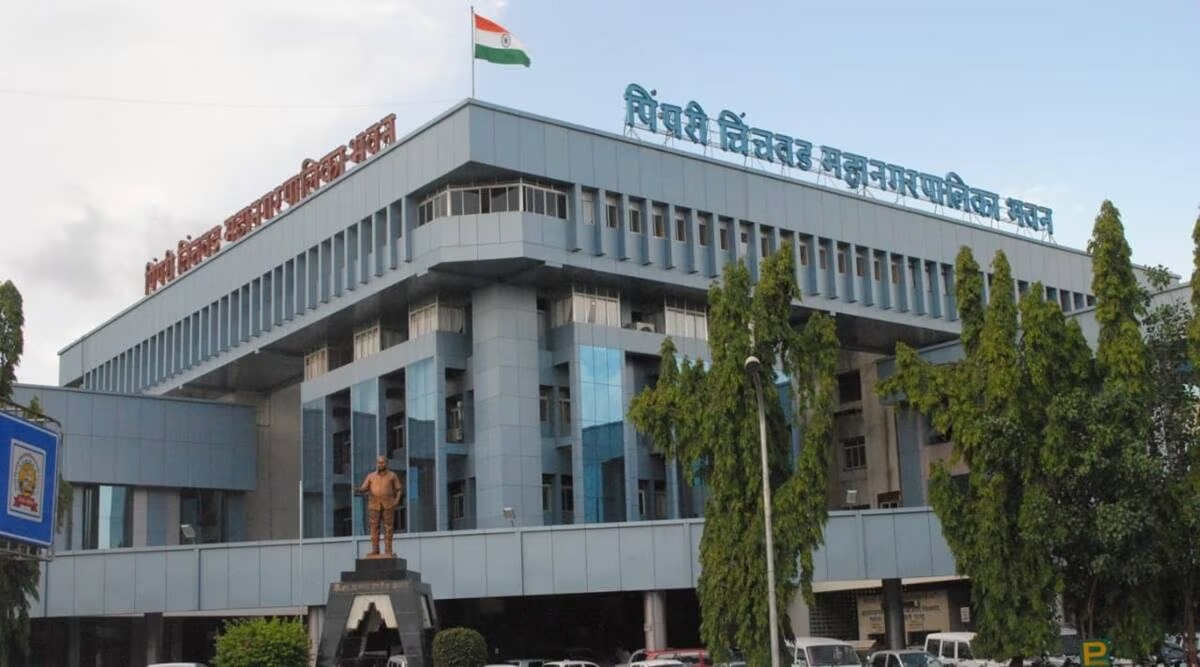
According to data from the Pimpri-Chinchwad Municipal Corporation (PCMC), over the last five years, 17,479 trees have been cut, but only 4,242 have been replanted—and shockingly, more than 90% of these replanted trees have not survived. The result is a noticeable increase in air pollution, a rise in average temperatures, and significant ecological imbalance.
While the Garden Department of PCMC is active in approving tree removal, its efforts in nurturing and maintaining new plantations have lagged far behind. Legal action has been initiated against more than 30 individuals for illegal tree felling, yet large-scale cutting continues under the Smart City projects and urban expansion schemes.
Currently, just 15.13% of the city’s land qualifies as green cover. Although the civic body conducts plantation drives during the monsoon season—planting species such as Neem, Jamun, Teak, Arjun, Silver Oak, and Rain Tree—most of these saplings perish due to lack of aftercare, water shortages, or even fire hazards.
PCMC grants permission for tree felling under the Maharashtra (Urban Areas) Protection and Preservation of Trees Act. The process involves submitting an application with photographs, land ownership documents, and proof of tree location. If there aren’t enough trees to fulfill the compensatory requirement, applicants must pay a fee per tree. Applications are generally processed within 60 days after review by the Tree Authority Committee.
The Garden Department also handles tree pruning and removal of hazardous trees—those that are decayed, diseased, or at risk of collapsing. Site inspections are conducted before any action is taken. However, Assistant Commissioner Umesh Dhakne emphasized that prior approval is mandatory for any pruning or removal within city limits. Unauthorized actions attract strict penalties.
Environmental experts suggest that late winter to early spring is the best period for replanting, allowing the roots to adapt and grow before the summer. Moist soil and well-maintained roots are essential for successful transplantation.
Environmental advocates are urging the PCMC to take stronger measures to protect existing trees and ensure the survival of those newly planted, emphasizing that urban growth must not come at the cost of environmental health.
Annual tree cutting and replanting statistics
Year Trees cut Replanted
2020- 21 3,063 – 675
2021- 22 8,985 – 960
2022- 23 1,400 – 519
2023- 24 2,763 – 1,282
2024 (till 9th Oct) 1,268 – 806
Total 17,479 – 4,242
Tree count by zonal offices
Zone Tree Population
A 3,06,094
B 4,62,137
C 3,51,173
D 5,12,368
E 8,43,824
F 7,41,206
Total 32,16,799