
Pune: With Pune’s first comprehensive tree census soon to be available online, environmentalists and concerned citizens are stepping up pressure on the Pune Municipal Corporation (PMC) to act against ongoing violations of tree preservation regulations.
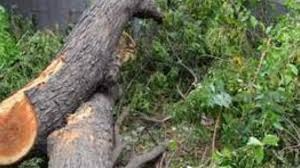
Urban development projects such as Metro rail construction, flyovers, road widening, and the Riverfront Development project have led to widespread tree cutting. Many developers also engage in unauthorized tree felling, often disregarding requirements for tree transplantation and compensatory plantation. Builders are frequently accused of bending or bypassing these rules, leading to a noticeable decline in the city’s green cover.
Two recent incidents involving Godrej Properties Limited—in Mundhwa and at Bakori Phata in Wagholi—have sparked public outrage. The company allegedly felled trees without following due procedures. Although regulations demand the planting of three to five new saplings for every tree removed, activists point out that the survival rate of these compensatory plantations is alarmingly low, sometimes dipping into single digits. This loss of vegetation is contributing to increased urban temperatures and deteriorating air quality, prompting citizens to call for greater accountability and transparency.
The upcoming digital release of the tree census is expected to bring greater clarity by mapping tree removals, compensatory plantings, and green cover distribution by ward. Activists view this as a critical tool to ensure better enforcement and oversight. “Trees are not expendable—they’re key to the city’s sustainability,” said Rohan Aaron, a community advocate. “This data will help expose broken promises and drive change.”
In a recent discussion with PMC authorities, including Chief Garden Superintendent Ashok Ghorpade, environmental groups advocated for stricter implementation of the Maharashtra (Urban Areas) Protection and Preservation of Trees Act, 1975, and its 2009 Rules. They also urged compliance with key court rulings, such as those in the Deepak Vahikar case.
Among the proposals discussed were the recruitment of 99 additional staff for monitoring, conducting ward-wise audits of unfulfilled compensatory plantations, and shifting to a biomass-based method to assess ecological impact.
PMC has also collaborated with Saar IT to calculate the carbon sequestration loss due to tree felling, aiming to base future compensatory actions on scientific data rather than arbitrary numbers. Activists further proposed that provisional No-Objection Certificates (NOCs) for tree removal be issued only after thorough assessment of environmental consequences and appropriate mitigation steps are confirmed.
Moreover, citizens highlighted the need to follow court directives regarding the involvement of at least three authorised agencies for tree cutting and transplantation. They also flagged the issue of insufficient quorum in the Expert Committee that approves tree felling proposals. “Too often, decisions are made by just one member, which undermines the fairness of the process,” one attendee remarked.
With the release of the tree census data expected to reveal significant lapses in policy execution, citizen groups are gearing up for a persistent campaign to safeguard Pune’s remaining greenery and demand more responsible urban planning.