

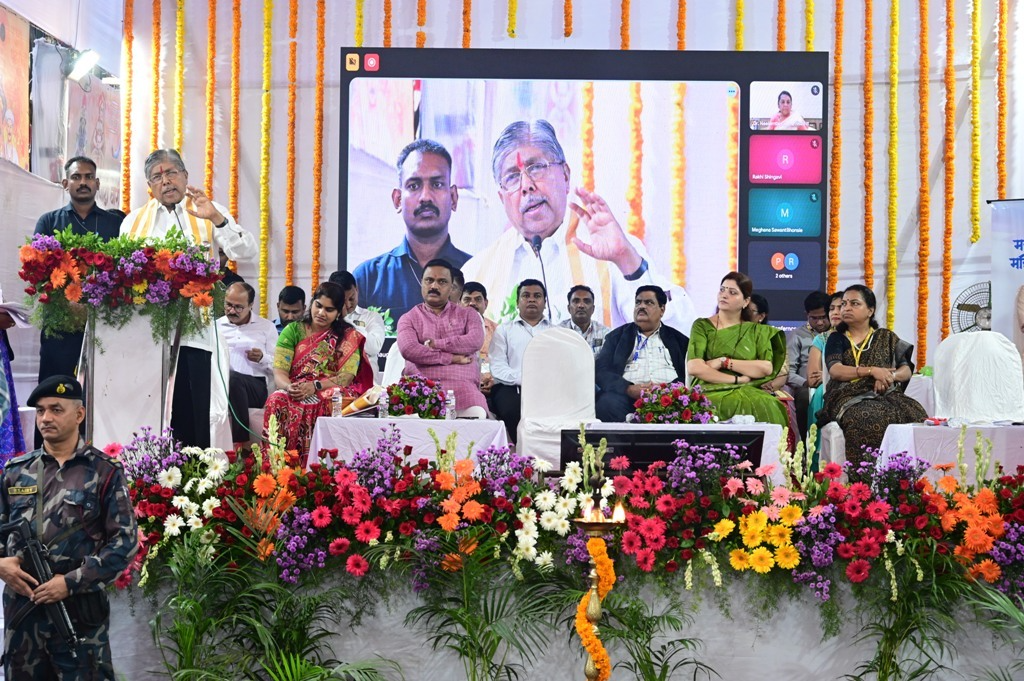
Pune: In preparation for the annual Wari pilgrimage, the State Women’s Commission is taking significant steps to address menstrual hygiene and sanitation concerns faced by women during the event. Sanitary napkin vending machines and incinerators for safe disposal are being installed along the route, emphasizing cleanliness and women’s health. Higher and Technical Education Minister Chandrakant Patil praised the commission’s proactive efforts.
Minister Patil highlighted the government’s commitment to improving facilities for the pilgrims, revealing that each Dindi (pilgrimage group) has received a grant of Rs. 20,000. Additionally, an expenditure of Rs. 73 crore has been approved for constructing a Darshan Bari at Pandharpur, capable of accommodating 6,000 people at once. This facility will include amenities such as seating, drinking water, and sanitation to enhance the comfort and health of devotees. Historically, inadequate toilet facilities along the palanquin route resulted in poor sanitary conditions, but this year, a large number of mobile toilets have been strategically placed at various stops.
Encouraging the active participation of local women’s groups, Minister Patil urged members of the ‘Swachh’ organization to take the lead in selling sanitary napkins in Pune. He explained that under a central government scheme, packs of 10 high-quality sanitary pads are available at Rs. 10, effectively Rs. 1 per pad. If Swachh organization members sell these packs at Rs. 5 locally, they will receive the product at a subsidized rate of Rs. 2.50, helping make menstrual hygiene products more affordable and accessible to women who currently lack access.
For security, the state government has deployed numerous mobile toilets and arranged for 3,500 bathing facilities along the palanquin route. Beat marshals have been assigned to ensure women’s safety, and toll-free helpline numbers have been prominently displayed. Women are encouraged to use these helplines to report harassment or any targeted abuse. Minister Patil emphasized that any complaints of harassment or crime can be filed online with the police, and the Bharosa Cell is actively working on cases related to domestic violence. If issues remain unresolved, women are urged to approach the State Women’s Commission for further assistance.
Through these comprehensive measures, authorities aim to make the Wari not only a spiritual but also a healthy and safe pilgrimage experience for all devotees, especially women.