
The Strait of Hormuz Crisis has intensified global concerns as rising tensions in the Middle East disrupt one of the world’s most critical maritime routes. The Strait of Hormuz Crisis affects energy shipments, industrial chemicals and key global supply chains.
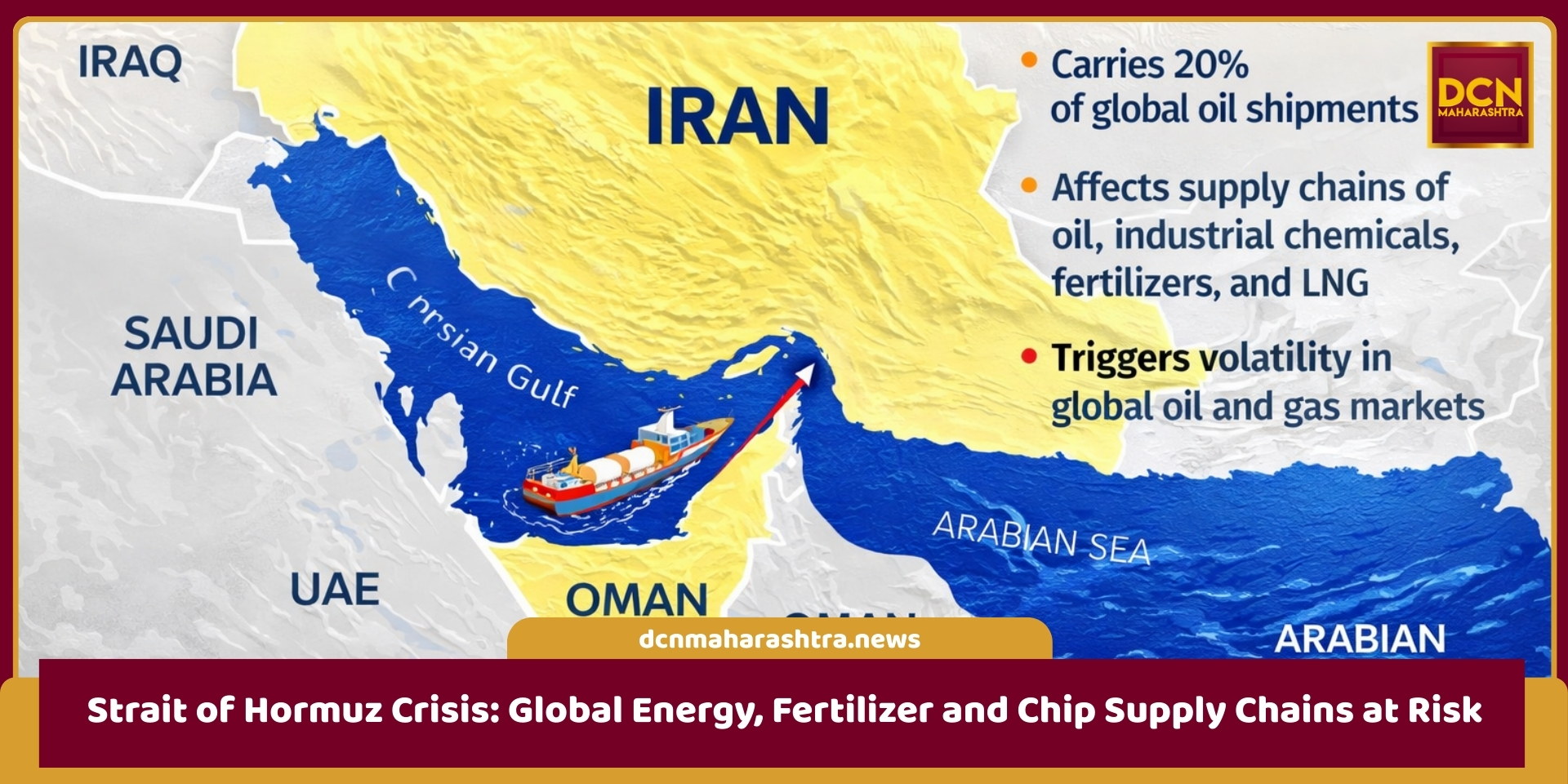
The narrow waterway between Iran and Oman carries nearly 20% of global oil shipments. However, shipping disruptions and security risks have slowed tanker movement through the passage. Consequently, the Strait of Hormuz Crisis has already triggered volatility in global oil markets.
Meanwhile, the issue extends beyond oil supplies. Refineries in Gulf countries produce large quantities of sulfur, a key byproduct of oil and gas refining. Sulfur is essential for producing sulfuric acid, one of the world’s most widely used industrial chemicals. Therefore, the Strait of Hormuz Crisis could affect industries that rely on sulfuric acid.
Sulfuric acid plays a major role in mining and manufacturing processes. It is widely used in copper extraction, fertilizer production and industrial processing. As a result, disruptions linked to the Strait of Hormuz Crisis could affect global metals supply chains and electric vehicle battery production.
Furthermore, the strait is a major route for liquefied natural gas (LNG) shipments. Qatar exports a significant share of LNG through this corridor. Consequently, prolonged disruption could affect electricity generation in several Asian economies.
The crisis may also impact fertilizer supply chains. Many nitrogen fertilizer raw materials move through the Gulf region. Therefore, any prolonged disruption could influence global food production and agricultural prices.
However, analysts note that the Strait has not been permanently closed. Some vessels continue to pass under strict security conditions. Nevertheless, the Strait of Hormuz Crisis highlights the vulnerability of global supply chains that depend on a single strategic shipping corridor.
Finally, governments and energy companies continue to monitor the situation closely. If tensions escalate further, the Strait of Hormuz Crisis could trigger broader economic ripple effects across energy, agriculture and technology sectors worldwide.