
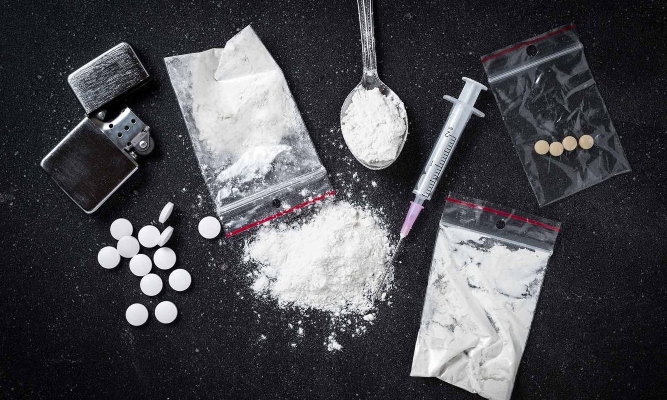
Pune: As concerns about mobile and social media addiction rise, a far more dangerous threat is quietly tightening its grip on urban India—narcotic substance abuse. Cities like Pune and Mumbai are witnessing a troubling surge in addiction cases, particularly involving brown sugar, among individuals aged 20 to 45.
Medical professionals and de-addiction facilities have noted an increase in patients seeking help for dependence on substances such as MDMA, cocaine, charas, sleeping pills, cigarettes, alcohol, tobacco, and most prominently, brown sugar. One such facility is the de-addiction centre at Bharadwadi in Andheri, operated by the BMC’s public health department. In operation since 1992, this centre provides voluntary treatment following patient counselling. Male patients are offered inpatient care, while women currently receive outpatient support.
On average, the centre treats 250 inpatients annually and receives around 150 to 160 outpatient cases daily—many of whom are addicted to brown sugar. Under government-supported programs, patients are administered regulated medications under medical supervision, helping to ease withdrawal without leading to further dependency.
The patients seeking treatment come not only from Mumbai but also from Pune, Kolhapur, Solapur, Nagpur, the Konkan region, and parts of Karnataka. A significant proportion are from economically disadvantaged backgrounds, aged between 25 and 40. Brown sugar’s affordability and availability compared to high-end drugs like MDMA and cocaine make it particularly prevalent in suburban areas.
Health experts are urging society to recognise addiction as a serious mental health issue influenced by biological, psychological, and social factors. Labelling individuals as morally weak does more harm than good, they argue. Instead, timely access to treatment and ongoing psychological support are vital for recovery. Medications used during de-addiction do not cause secondary addiction and are phased out under careful supervision.
Effective treatment begins only when the individual is mentally ready to seek help. Once the person stops consuming substances, withdrawal symptoms appear, often requiring hospitalisation for about 21 days. During this period, patients receive a combination of medication and counselling.
R.M. More, a counsellor at the centre, emphasises the importance of continuous emotional support and structured peer groups like Alcoholics Anonymous. These platforms allow recovered individuals to share their experiences, motivating others to stay on the path to sobriety. He also advocates for the expansion of such support facilities across the state to make help more accessible.
As addiction continues to affect young lives in both cities and small towns, the need for greater awareness, medical intervention, and community support becomes ever more urgent.