
Pune: Amid a worrying spike in Guillain-Barré Syndrome (GBS) cases in Pune, a law student from the city has approached the National Green Tribunal’s (NGT) Western Zone bench, seeking immediate action to ensure the provision of safe drinking water. The petition also calls for regular water testing to control the spread of this potentially fatal illness, which is suspected to be waterborne.
The petition was filed by Rishan Sarode, a law student, through Advocates Asim Sarode and Shriya Awale. It names Pune Municipal Corporation (PMC), Pimpri-Chinchwad Municipal Corporation (PCMC), Pune District Collector, Maharashtra Pollution Control Board (MPCB), Water Supply and Sanitation Department, Public Health Department, Urban Development Department, and the Indian Council of Medical Research (ICMR) as respondents.
Sarode belongs to a team of law students known as “Lawyers for Earth Justice,” which operates under SAHYOG Trust. Other co-petitioners include Muskan Satpal, Kulsum Mullani, Monisha Parekh, Soham Kulkarni, Sumedh Sarode, Aafreen Ali, and Aditya Dixit.
In their plea, the students noted that Pune is seeing an alarming increase in GBS cases — with over 166 confirmed so far — resulting in fatalities and a growing list of suspected cases. The petition termed this surge an “unprecedented public health crisis,” allegedly caused by poor environmental governance and water safety practices.
“Our research into the GBS outbreak revealed nearly 12 contributing factors related to pollution and water contamination,” Sarode told Pune Mirror. “From contaminated rivers and wells to illegal groundwater extraction, water tanker mafias, industrial discharge, improper waste disposal — these oversights have created serious public health risks.”
Hearing the petition, the NGT Western Zone Bench comprising Judicial Member Dinesh Kumar Singh and Expert Member Dr. Vijay Kulkarni noted the gravity of the environmental issues raised. The bench remarked, “Considering the arguments and prima facie evidence, we believe the petition raises substantial questions about adverse impacts on the environment.”
While legal representatives of the respondents appeared before the tribunal and requested additional time to file responses, the NGT agreed and adjourned the hearing to July 23, 2025.
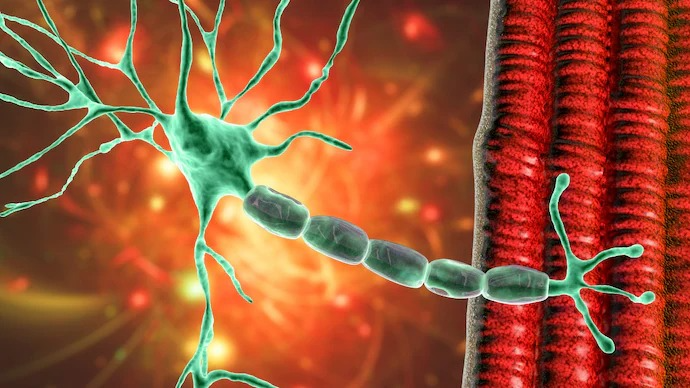
Guillain-Barré Syndrome is a serious but rare condition where the body’s immune system mistakenly attacks nerves. Its consequences can range from muscle weakness and paralysis to life-threatening complications. While the precise causes remain under investigation, waterborne infections have long been suspected as one of its triggers.
The petition by these proactive law students not only underscores public health concerns but also amplifies the call for greater environmental accountability, effective water safety measures, and rigorous checks by local bodies.
As part of their petition, the students also suggested solutions for long-term prevention of waterborne diseases. These include:
Treating polluted water bodies through bioremediation.
Implementing stringent action against illegal water extraction and improper waste disposal.
Organizing public awareness drives and water-hygiene training.
Involving NGOs and youth in water monitoring and cleanup.
Increasing financial allocations for water management and sanitation.
The petitioners emphasized that unless the civic bodies and state agencies act promptly, the threat of GBS may escalate to other areas across Maharashtra.