

Special Correspondent
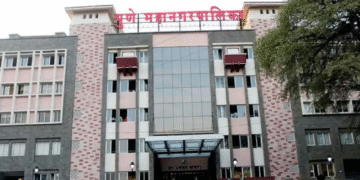
Pune: The recent rise in Guillain-Barré Syndrome (GBS) cases in Pune has caused considerable concern, but the situation has shown signs of improvement in the last five days, as no new cases have been reported. This welcome development has eased the anxieties of residents and authorities alike. The swift actions taken by the Pune Municipal Corporation (PMC) health department have been instrumental in controlling the spread of the disease.
Currently, Pune has 109 confirmed GBS cases, with 130 people in recovery. However, 15 patients are still on oxygen support, and 16 are on ventilators. Tragically, four individuals have passed away, though 64 patients have successfully recovered and returned home.
Identifying the Source of the Infection
The highest concentration of GBS cases has been reported in the Sinhagad Road area, covering localities like Dhayari, Nanded, Kirkatwadi, and Nanded City, which are now identified as hotspots. Investigations have confirmed that contaminated water, particularly from local wells, is the source of the infection. In response, the health department has ramped up efforts to provide clean drinking water and raise awareness about GBS.
A team of experts from the Centre conducted an inspection, while municipal teams have been actively conducting door-to-door surveys. Tests conducted by the National Institute of Virology on patient samples revealed the presence of Norovirus, Campylobacter jejuni, and Epstein-Barr virus, while tests for Zika, dengue, and chikungunya returned negative results.
Water Quality Measures
To combat the spread of the disease, the health and water supply departments have tested water samples from the affected regions. They discovered that 30 reverse osmosis (RO) plants, which were supposed to provide purified water, were in fact supplying contaminated water. As a result, these plants have been shut down, and inspections of 15 tanker-filling centers revealed widespread contamination. Legal notices have been served to the responsible parties, and corrective measures have been implemented promptly.
Drinking Water Crisis Escalates
While the actions to control GBS have been effective, the closure of the RO plants has worsened the drinking water shortage in the affected areas, causing significant hardship for local residents. PMC is struggling to manage water distribution, leaving many citizens without a reliable water supply. Plant operators are requesting either approval to reopen the plants after testing or a permanent decision on their closure.
PMC continues to focus on controlling the GBS outbreak while addressing the pressing need for clean drinking water in these affected areas.